
Finding His Path at Welding School
Alex Stefek had a great time in high school. He made friends, played sports, and built relationships that he expects to carry for the rest of his life. But if you ask about the classroom, his answer changes.
Academics were never his thing. Bookwork bored him. Weekly studying left him disengaged. The format never matched how he learned.
Alex was never a sit-and-memorize student. He needed to do something with his hands, to understand why it mattered, and to see the connection to real life. In high school, that mostly never happened.
Why High School Didn’t Work for Him
Alex grew up in Poland, Ohio, and attended Poland Seminary High School. Sports, especially football, were the center of his world. He had been playing since elementary school, and the game gave him something the classroom rarely did: skills that meant something beyond a grade on a page.
“Sports taught me how to be a leader and how to deal with adversity in my life,” he said.
That skill was tested in his junior year, when he broke his leg in a game. Surgeons inserted a titanium rod into his shin bone. The jersey he wore that night had to be cut off.
“That jersey tells a big story about me,” he said. “Stuff happens in life, but you always have to come back.”
And he did come back. In his senior year, he was voted team captain and played what he calls the best football of his life. But while life was fun, Alex still needed to focus on his future.
Why He Chose Welding Over a Four-Year Degree
Reflecting on his academic experience, Alex said it wasn’t that the material was too hard. He just didn’t feel connected to it.
“Learning math and science and all that, I never really was big into that,” he said. “I didn’t really enjoy bookwork and having to study every week, then basically forgetting it.”
That preference for doing over reviewing would turn out to be exactly the mindset trade school is designed for. Alex’s choice was four years in a classroom, studying subjects he didn’t enjoy, or training for less than a year and entering the workforce.
When he found the welding program at New Castle School of Trades, it all clicked into place.
What Welding School Is Like
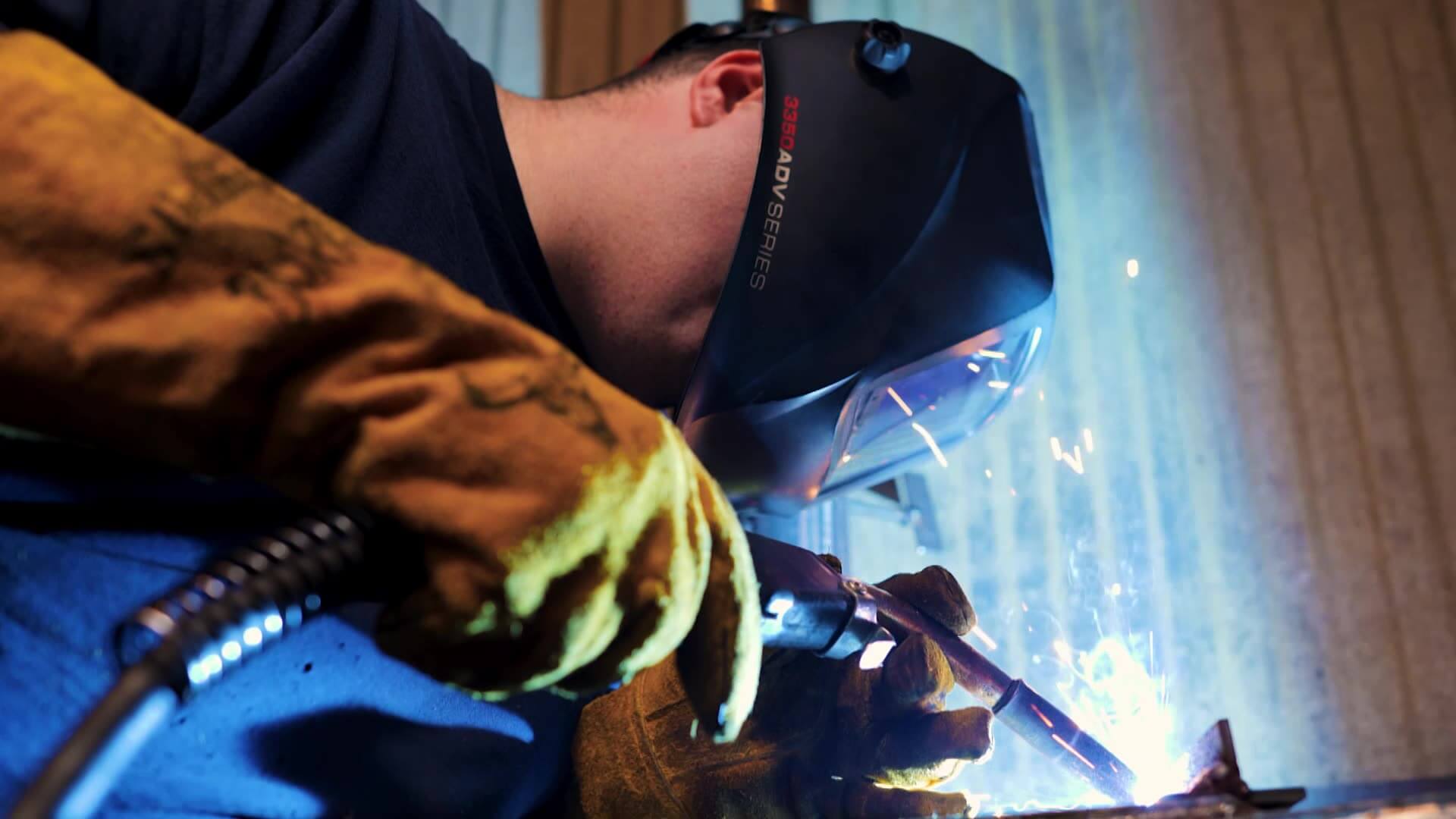
From the moment he started welding training, Alex knew he made the right decision.
Smaller class sizes meant instruction moved at a pace that works for everyone, not just those who caught on quickly. And everything was connected to something real: reading a tape measure, calculating the diameter of a pipe, understanding why precision mattered before you ever struck an arc.
In high school, large classes made it easy to fall behind and stay there. At NCST, that was not an option, and not because of the rules. It was because the instructors noticed.
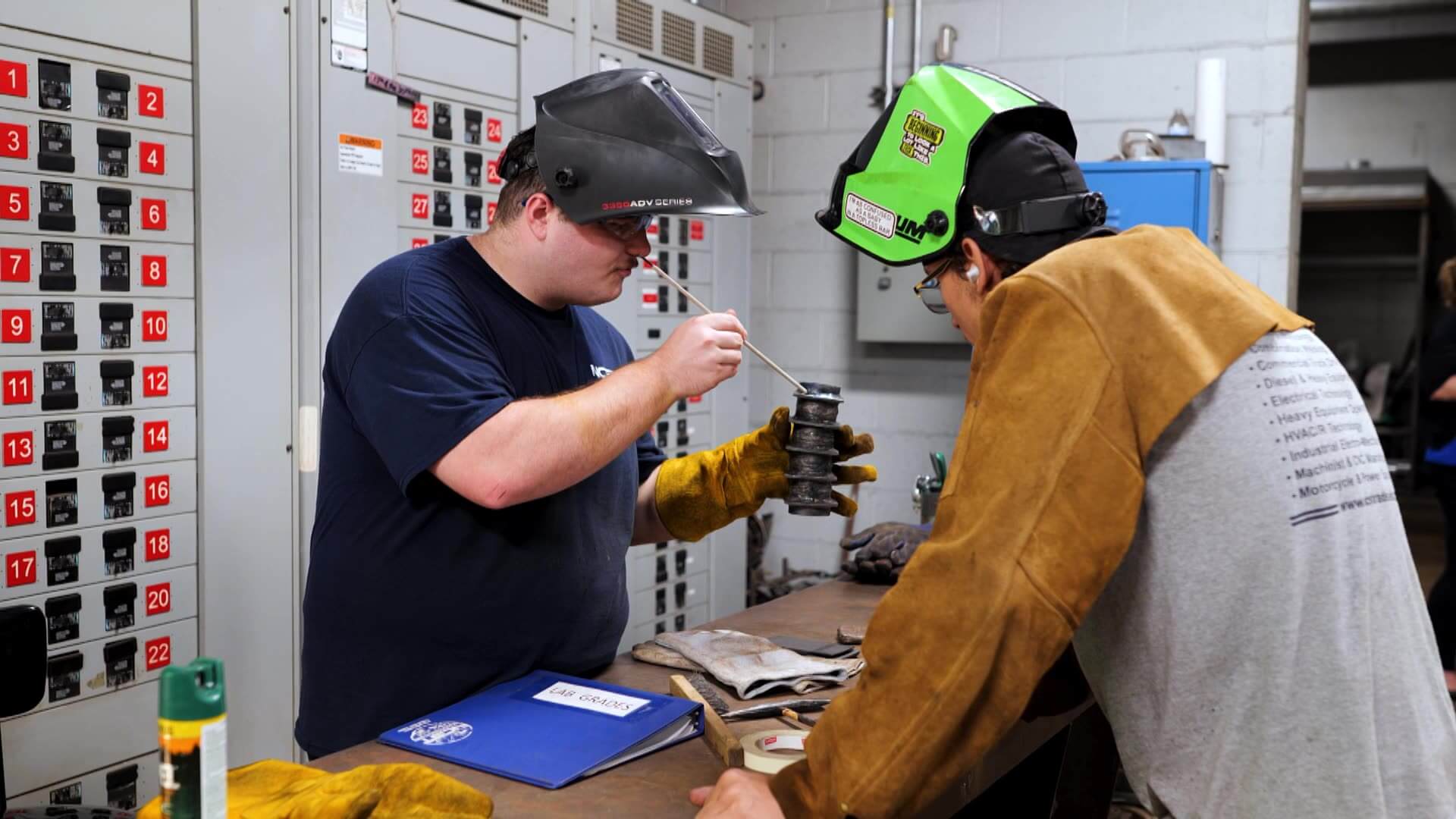
“Trade school is a lot more interactive,” he said. “If the teacher goes up to the board and asks a question, we don’t move on until everyone understands.”
Instructors kept students accountable without overwhelming them, creating a structure that felt personal in a way that high school rarely did.
“The instructors took the time to review my progress individually,” he said. “When I needed help, they were willing to come into my booth, show me an example, and watch me do it. In high school, it was always one big classroom, and everyone was following the same orders. If you fell behind, it was easy to stay behind.”
A Class Where Everyone Has Your Back
The collaborative culture at NCST left an impression. Welding skills were shared. School wasn’t a competition. Students who were strong in one technique would share what they knew with classmates who were still working on it and receive the same in return.
In trade school, Alex found that teamwork was possible. That was what he loved about football: that the people around you share their successes and cheer yours.
“At the end of the day, we all want to get out of here and go make good money and start good careers. And we might as well be friends with the people you’re here with, because one day, you’ll never know if you show up to a job site and that’ll be the guy welding next to you.”
Earning a Welding Certification at NCST
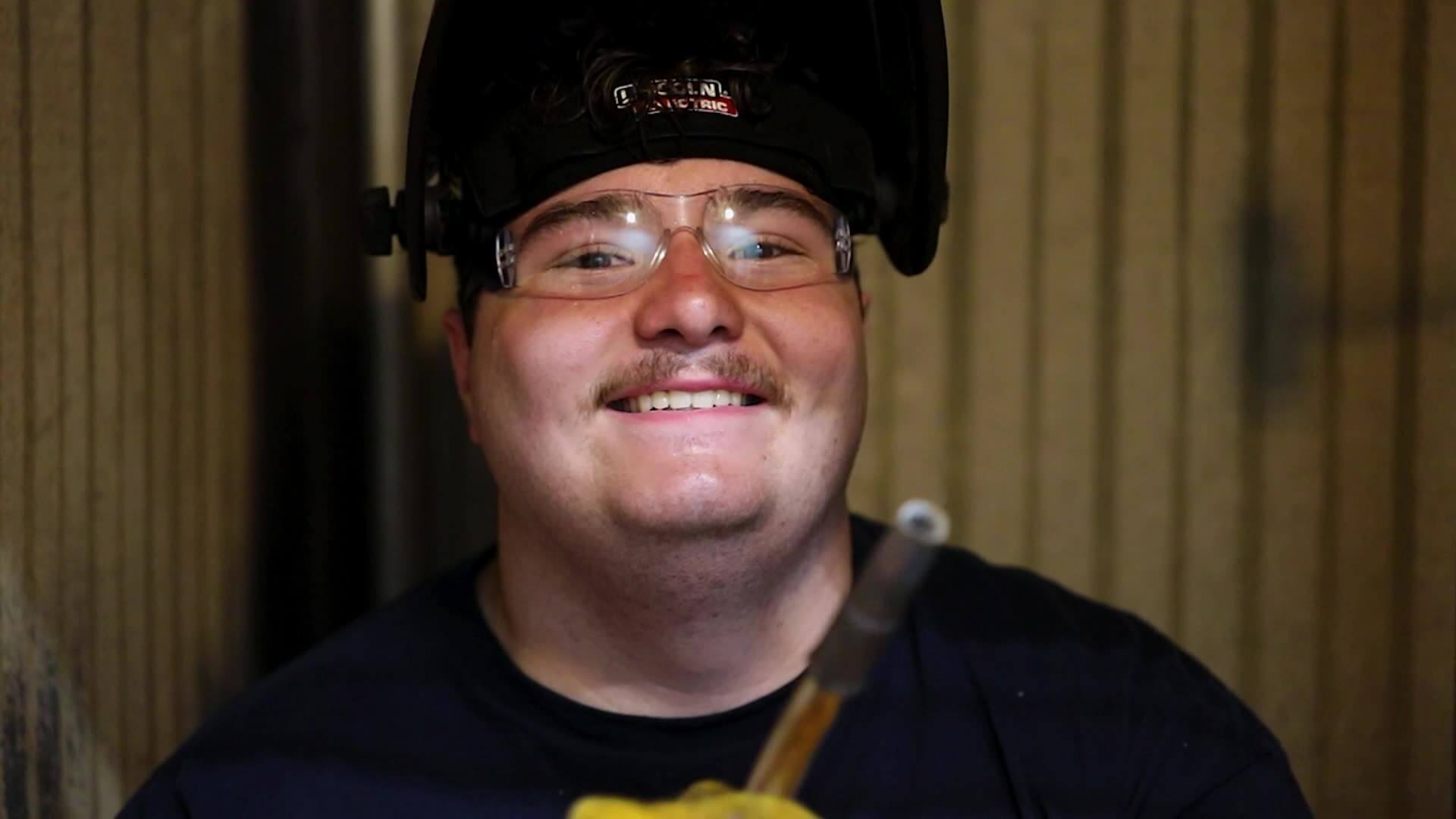
Alex graduated with a combination welding certification and is excited about the future and the career opportunities in welding, as well as the job security that comes with it.
“Fabricating, pipe welding, ironworking; anything that has to do with steel, metal, non-ferrous metal,” he said. “Someone has to make cars, buildings, everything. There are a lot of opportunities, a lot of room for that skill set to be used.”
Skilled welders are in demand across construction, manufacturing, energy, and infrastructure.
According to the U.S. Bureau of Labor Statistics, there are tens of thousands of welding job openings each year, driven in part by an aging workforce and ongoing infrastructure investment. The combination welding credential gives graduates flexibility to pursue multiple career tracks.
Is Trade School Worth It? One Graduate’s Take
For students who still believe a four-year degree is the only path worth taking, Alex has a direct response. The trades offer career opportunities that can’t be replaced by technology, especially for hands-on learners.
“Think about what you’re good at right now,” he said. “If you loved playing with Legos when you were a kid, and you like to use your hands, or you like to work outside, trades are an option for you.”
He also points to what trade school offers that traditional education often does not: skills that will serve you for a lifetime and a career that won’t be taken away.
“Everything breaks in the world, and someone needs to come and fix it,” he said. “There are a lot of different opportunities in the trades where you can grow for years upon years.”
“I’ve learned a skill that I’ll use for the rest of my life doing something I really, really enjoy.”
Alex Stefek came to NCST the same way he came back from a broken leg: ready to work, ready to get better, and willing to take the time to do it right. In the welding program, he found an environment that rewarded exactly that.
Learn More
- Explore the Program: Combination Welding at NCST
- Schedule a Tour of Our New Castle Campus