
Employed Before Graduation: One Electrician’s Path Through NCST
Kenneth “Kenny” Alli grew up in Youngstown, Ohio, surrounded by family members who had built their livelihoods with their hands. Trade work wasn’t a fallback where he came from; it was a respected, well-established path. So when it came time to plan for life after high school, Kenny didn’t hesitate.
He enrolled in NCST’s Electrical Technology program after graduating from Valley Christian High School in 2022. By the time he was halfway through the program, employers were already calling.
WATCH: Kenny discusses his experience at NCST and what it’s like to enter the workforce as an electrician.
Choosing a Direction
High school gave Kenny his first real taste of routine: keeping up with grades, planning the next semester, adjusting to a schedule. He appreciated the structure, but he was still working out what came next. College crossed his mind, but it never quite the right fit.
“I didn’t think college was the right route for me,” he said. “Where I come from, working a trade is a respected and normal path. That is what brought me to NCST.”
He had briefly considered programming before settling on electrical. The appeal was straightforward: a focused, shorter path to a career with consistent demand. “That felt like a soft but solid landing for me,” he said, “helping me get my footing and start building toward what I want for my career.”
Why NCST
NCST had been on Kenny’s radar long before he was ready to enroll. He drove past the sign on the highway regularly, and the school came up often in conversations around him. The more he learned about it, the more it seemed like the obvious next step. His family background reinforced the decision. Almost everyone around him had come out of a trade or a hands-on job. When he visited NCST, the environment confirmed what he already suspected.
He also noted how efficiently the enrollment process moved. He had previously explored apprenticeships, and while they were upfront about next steps, the timeline dragged. NCST was different.
“When I applied to NCST, every step of the enrollment process was done within the same week,” he said. “There was no waiting list, no months of wondering if it was the right call. It was almost immediate, and I was able to just dive in.”
Learning by Doing
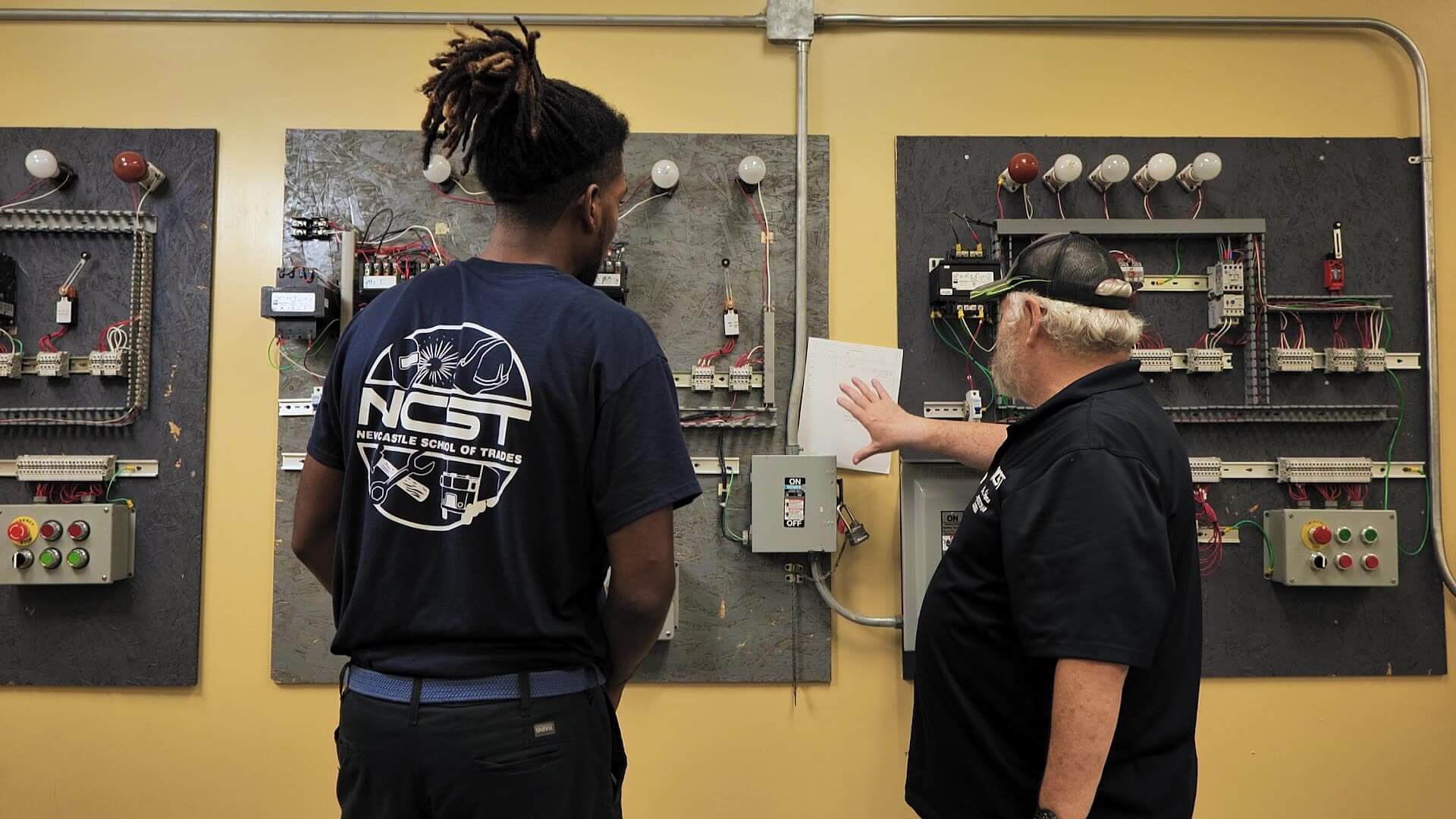
Textbooks never quite worked for Kenny. He understood things through his hands, through the act of doing. Trade school gave him exactly that. “The administration makes it easy to focus on your work and focus on your own improvement,” he said. “The environment pushes your learning forward rather than pulling you away from it.”
He also values the transparency of trade school. In his view, one of the clearest advantages over a traditional degree is that you know what you’re getting into from day one.
“With trade school, they tell you the job description up front,” he said. “They tell you what you are getting into. There are no surprises. They’re just straight up forward with you and lead you to what you may be doing for the rest of your life.”
Employed Before Graduation
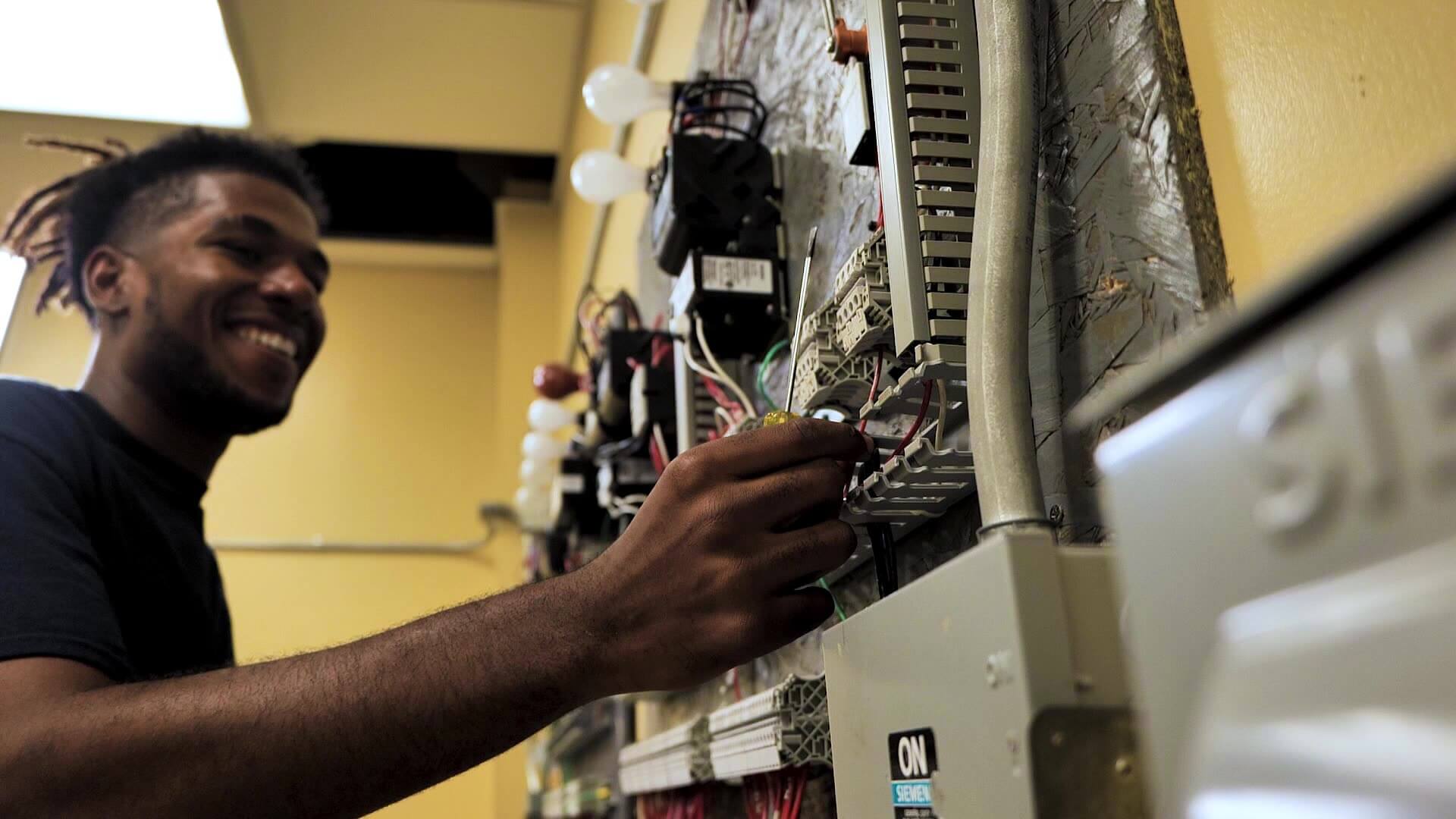
Before Kenny finished his third quarter, he was already working in the field. He took a position on a residential job site on the south side of Youngstown, and showed up wearing his school attire since there was no required uniform.
The transition from classroom to job site was smoother than he expected. The work was familiar because the training had prepared him for it. New situations came up, but they didn’t feel foreign.
“It showed me just how close the classroom experience is to real field work,” he said. “Once you dive in, new things come fast because they are already familiar.”
Getting hired before graduation also confirmed something important for Kenny: the training he was receiving had real market value.
“I was employable before I even finished my third quarter,” he said. “People were interested in me while I was still in school. They wanted to see me work in real time, and I proved myself in an area I plan to be in for a long time.”
A Trade Built to Last
Kenny thinks about the long-term picture too. Electrical work isn’t going anywhere. As technology becomes more central to daily life, the need for skilled electricians grows alongside it, not in competition with it.
“Electricity is becoming more and more important,” he said. “Being in the trades and working with electricity, it will always be needed. I’m comfortable knowing that I’ll always be able to do my job, really, not have that threatened.”
Kenny’s message to anyone unsure about life after high school is straightforward: trades are transparent. You know what the job looks like before you commit.
“The best way to show someone how something works is to prove it to them,” he said. “With a trade, you can show a person exactly what they will be doing.”
Learn More: