
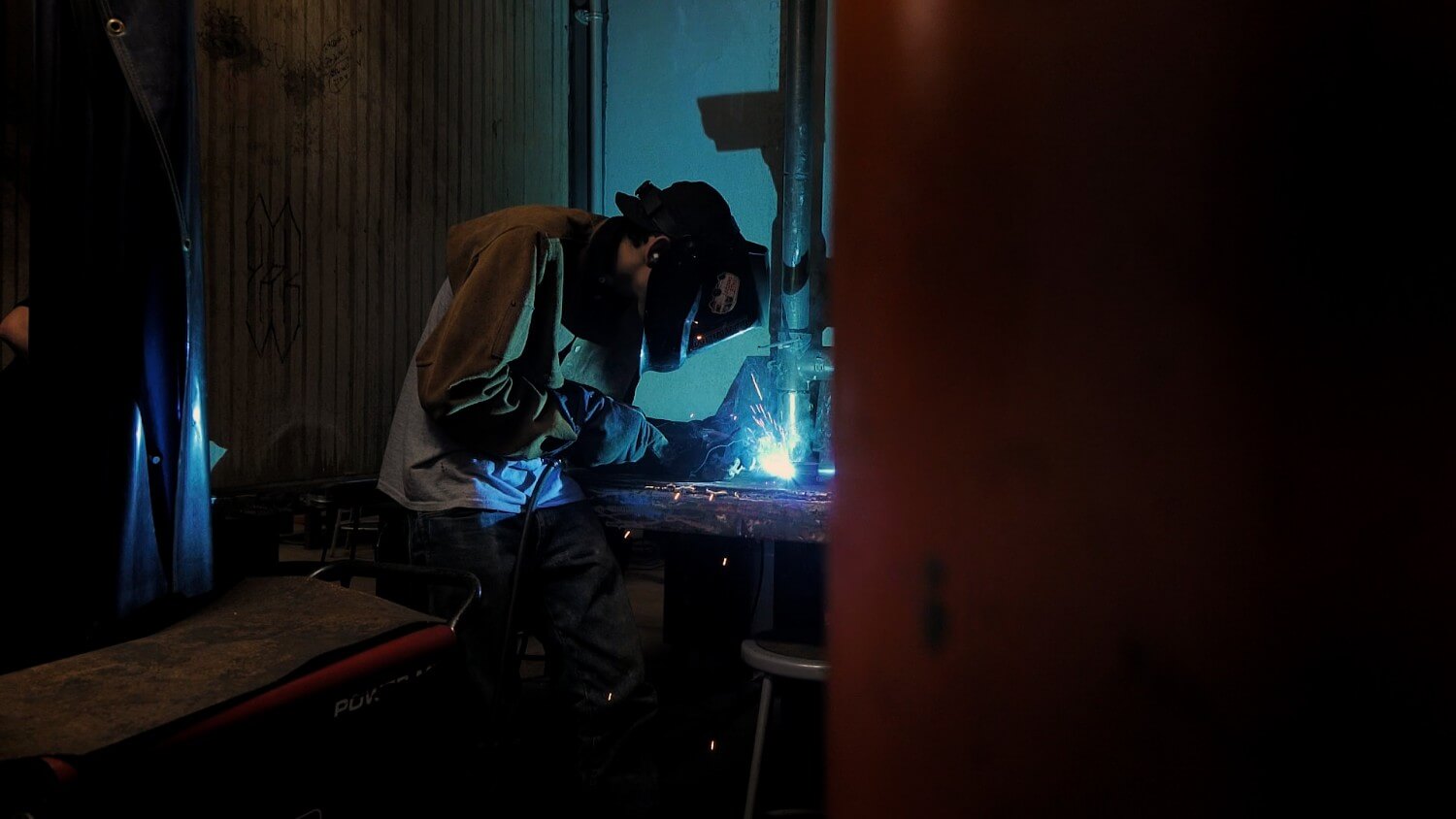
Many people want to learn a skilled trade but can’t leave their job or step away from family duties during the day. New Castle School of Trades offers evening trade school classes at its New Castle, PA campus for students in situations like these.
Evening class schedules let students spend the day at their job or with their family before they come to campus in the evening and train to build their skills in a hands-on training program. This schedule isn’t for everybody, but anyone considering trade school should understand how evening trade school classes work before enrolling.
Who Evening Trade School Classes Are For
Evening trade school classes are built for people whose days are already full. People like:
- Full-time workers. Many evening students keep their current job during the day. This lets them keep earning a paycheck while they train for a new career.
- Some families split childcare between partners. One parent works or stays home during the day, and the other attends class at night. This can help families cut down on childcare costs while working toward a career in the trades.
- Career changers. People who are moving from their current career often choose trade school night classes. They can test out a new field without giving up the income they’re already earning.
- Night owls. Some people simply learn better toward the end of the day. Evening classes suit students who want to join the trades but don’t do their best work early in the morning.
How Trade School Night Classes at NCST Are Structured
Evening classes run from 5:30 p.m. to 10:30 p.m., Monday through Friday. Classes take place on a part-time schedule, making evening programs take longer to finish than full-time day schedule programs.
Evening programs at NCST follow the same standards as daytime programs. Students spend time in the classroom learning theory and time in the shops or labs practicing hands-on skills.
Evening Programs Available at NCST
The New Castle campus offers evening sessions for the following programs:
- Automotive Technology: Students learn to diagnose and repair cars and light trucks. Training covers equipment such as brake lathes, exhaust gas analyzers, and computer scanners.
- Building Technology: Students study carpentry, construction materials, roofing, and job site safety. These skills apply to many roles in the construction industry.
- Combination Welding: Students practice TIG, MIG, and arc welding. They also use cutting tools such as oxy-fuel cutters and hydraulic shears.
- Electrical Technology: Students learn electrical theory and wiring. They train on equipment such as meters, conduit benders, PLCs, and three-phase motors.
- Refrigeration & A/C Technology: Students learn to install and service heating and cooling systems. Equipment includes heat pumps, furnaces, central A/C units, and walk-in coolers.
A full list of daytime and evening options is on the New Castle programs page.
Evening vs. Daytime Trade School Training: What’s Different?
The only major differences between evening and daytime training schedules are the time of day and the length of the program. Most other parts of the student experience stay the same.
What changes:
- Class times. Evening students attend class after the typical workday ends.
- Class sizes. Evening classes often have fewer students in them, letting the students taking them get more one-on-one time with instructors.
- Program length. Evening programs follow a part-time schedule, so they take longer to complete.
What stays the same:
- Evening students cover the same subjects and hands-on skills as daytime students.
- Financial aid. Evening students can apply for the same financial aid options as daytime students, including federal aid for those who qualify.
- Career services. Evening students have access to NCST’s career services team. This includes help with setting career goals, writing resumes and cover letters, practicing interviews, and connecting with regional employers.
Taking the Next Step Towards Evening Training
Evening trade school classes give working adults, parents, and career changers a way to train for a skilled trade without giving up their daytime responsibilities. The training takes longer than a full-time day program, but the skills, support, and aid options are the same.
Anyone who thinks evening courses are right for them can look at the upcoming calendar and enroll in the next evening training classes. They can also schedule a campus visit to see the shops and meet with admissions in person.
Frequently Asked Questions
Do evening students earn the same credential as daytime students?
Yes. Evening students who complete their program are given the same certificates, diplomas, or specialized technology degrees as daytime students in that program.
Does a student need trade experience to start an evening program?
No. NCST programs start with the basics, so students don’t need prior experience in the trade.
Is an evening trade school program harder than a daytime program?
No. The coursework is the same, but students should plan for the challenge of attending class after a full day of work or family duties.
Can evening students use NCST’s career services after graduation?
Yes. Graduates can keep working with the career services team as they look for jobs.
How often do evening trade school classes start at NCST?
New evening classes start several times a year at the New Castle campus. Upcoming start dates are listed on the NCST event calendar.
Do evening students have to meet the same admission requirements as daytime students?
Yes. Applicants for all programs need a high school diploma or GED and must pass an entrance evaluation. The full list of requirements is on the admissions requirements page.